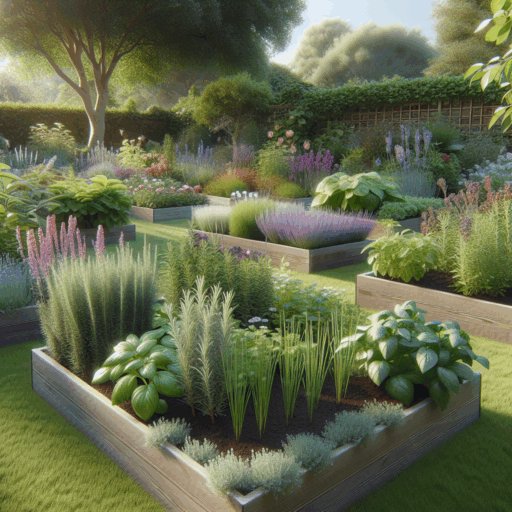
Focus keyword: perennial herbs
Having a garden that thrives year after year with minimal effort is every UK gardener’s dream. With the right mix of perennial herbs, you can enjoy a self-sustaining garden that offers fresh flavours, pollinator-friendly blossoms, and natural pest deterrents. Here’s a guide to the top 10 perennial herbs that will return each season, saving you both time and effort while enriching your kitchen and wildlife garden.
1. Rosemary (Rosmarinus officinalis)
Rosemary thrives in sunny, well-drained soils and brings an aromatic touch to any herb patch. It’s evergreen, drought-tolerant, and hardy across much of the UK. (Image: rosemary sprigs in a sunny border)
2. Thyme (Thymus vulgaris)
Another drought-tolerant star, thyme spreads nicely around paths and rockeries. It’s low-maintenance and adored by bees. Harvest regularly to encourage dense growth.
3. Chives (Allium schoenoprasum)
Chives prefer moist soils and bring delicate purple blooms in spring. The edible flowers add colour to salads and attract pollinators to your vegetable beds.
4. Mint (Mentha spp.)
Mint provides vigorous growth and rich aroma, perfect for teas and desserts. Keep it contained in pots to prevent spreading throughout your beds.
5. Oregano (Origanum vulgare)
A sun-loving Mediterranean herb well-suited to UK summers. Perfect for Italian cookery and wildlife-friendly planting.
6. Sage (Salvia officinalis)
This aromatic evergreen withstands cooler conditions and autumn frosts. Prune back hard after flowering for neatness and next year’s growth.
7. Lemon Balm (Melissa officinalis)
Fragrant leaves with a gentle lemon scent make excellent teas or insect repellent sprays. Place in partial shade for lush leaves.
8. Lovage (Levisticum officinale)
A tall, statuesque herb related to celery. The leaves and stems provide a rich savoury flavour, and the plant thrives in moist soil and full sun.
9. French Tarragon (Artemisia dracunculus)
Choose the French variety for the best flavour. It prefers warm, dry spots and well-drained soil, and dies back in winter before regrowing each spring.
10. Fennel (Foeniculum vulgare)
A beautiful and delicate addition with feathery foliage and anise-flavoured seeds. Leave some to flower for hoverflies and bees.
Creating a Self-Sustaining Herb Garden
- Group herbs by sunlight and watering needs.
- Mulch annually with compost for steady nutrition.
- Let plants flower to encourage beneficial insects.
- Propagate through division or cuttings to expand naturally.
Final Thoughts
Perennial herbs help UK gardeners enjoy consistent, low-maintenance harvests. Start with these top ten, and your self-sustaining garden will reward you season after season with aroma, flavour, and biodiversity.

