Soil pH Testing: Complete Guide for Home Gardeners
Understanding soil pH is one of the quickest ways to improve plant health. Whether you’re in the UK, USA, Canada, Australia or New Zealand, soil pH determines nutrient availability and influences what you can grow successfully.
Why Soil pH Matters
Most plants prefer a pH between 6.0 and 7.0. Outside that range, nutrients become locked up even if they’re present in the soil. Testing helps you decide whether to lime, add sulphur, or simply choose plants adapted to your natural soil.
How to Collect a Proper Soil Sample
- Take 5–10 samples across your bed
- Dig 10–15 cm deep
- Remove stones and roots
- Mix samples in a clean bucket
- Test while slightly moist
Testing Options
1. pH Test Strips
Cheap, fast and decent for a general reading.
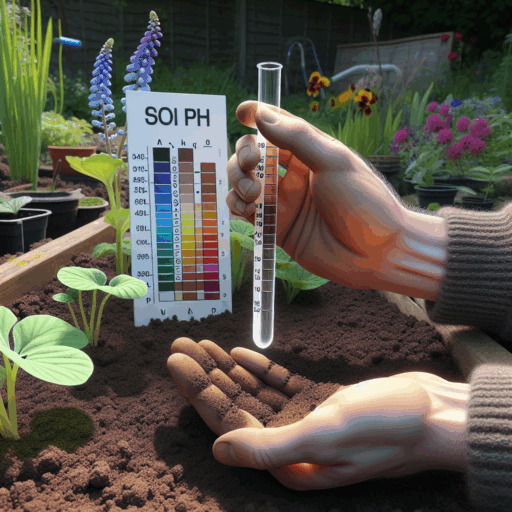
2. Chemical Colour Kits
Good accuracy for home gardeners. Mix soil with indicator solution and compare against a colour chart.
3. Digital Meters
Convenient but vary in quality. Ensure good soil contact for accurate readings.
4. Laboratory Testing
Most accurate. Many labs in English‑speaking countries offer full nutrient panels alongside pH.
How to Adjust Soil pH
To Raise pH (Less Acidic)
- Garden lime
- Dolomite lime (adds magnesium)
- Wood ash (small amounts)
To Lower pH (More Acidic)
- Elemental sulphur
- Pine needles
- Peat‑free ericaceous compost
Changes take time—often several months.
Regional Considerations
- UK: Chalky regions often test alkaline
- USA: Midwest soils trend alkaline; East Coast more acidic
- Australia: Coastal soils more acidic; inland alkaline
- NZ: Naturally ideal pH in many regions
FAQs
How often should I test? Once per year is ideal.
Can pH drift naturally? Yes—rain, fertilisers and organic matter all shift pH slowly.
Related: Improve Clay Soil · Peat-Free Compost Guide