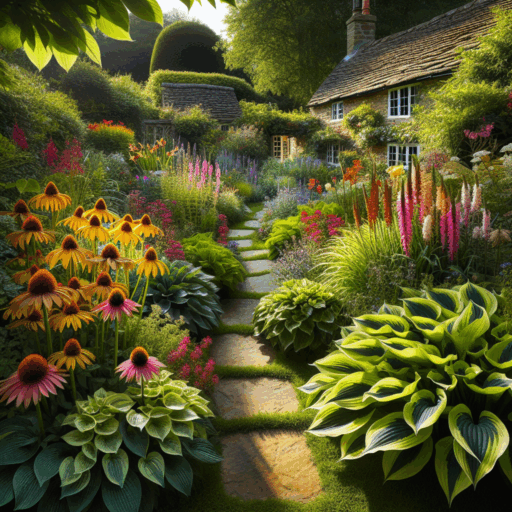
UK home gardeners understand the joy of adding hardy, colourful perennials to their gardens. Low-maintenance perennials not only provide seasonal beauty with minimal effort but also contribute to a sustainable, cost-effective garden design. In this detailed guide, we explore a variety of resilient plants ideal for UK gardens, sharing practical advice on planting, care, and seasonal maintenance. Whether you have a cottage garden or a modern urban oasis, these low-maintenance perennials are designed to offer year-round visual appeal while requiring little ongoing effort. The focus is firmly on low-maintenance perennials, ensuring that even novice gardeners can achieve professional results.
Understanding Low-Maintenance Perennials
Low-maintenance perennials are plants that return year after year without needing extensive care. Unlike annuals, which must be replanted each season, perennials invest energy in developing strong root systems that allow them to thrive even in challenging climates. These plants are particularly well-suited to UK gardens where variability in weather is common. They often require minimal fertilisation, do well in a range of soil conditions, and boast natural resistance to pests and diseases.
Advantages of choosing low-maintenance perennials include:
- Reduced gardening workload due to their perennial nature.
- Year-round garden structure with seasonal blooms and foliage.
- Cost-effectiveness as they do not need to be replaced yearly.
- Environmental benefits by encouraging biodiversity.
Key Characteristics of Successful Low-Maintenance Perennials
Several characteristics make low-maintenance perennials a favourite among UK gardeners. First, robust root systems allow these plants to withstand periods of drought and variable temperatures. Second, many perennials are naturally resistant to common pests and diseases, reducing the need for chemical interventions. Additionally, these plants often adapt to different soil types, further simplifying garden care. In our exploration, the focus keyword low-maintenance perennials appears frequently, emphasising how essential resilience and beauty are for a thriving garden.
Popular Low-Maintenance Perennials for UK Gardens
Below we explore a selection of perennials that combine ease of care with stunning aesthetics. Many UK gardens benefit from incorporating these plants into borders, beds, and mixed plantings. Here are just a few favourites:
1. Lavender
Lavender is renowned for its aromatic foliage and attractive purple flower spikes. It thrives in well-drained soil and requires little watering once established. Ideal for sunny borders, lavender also attracts pollinators, making it a great addition to any wildlife-friendly garden.
2. Daylilies
Daylilies bring bursts of bright colour to garden settings with minimal fuss. They are remarkably adaptable, requiring not just limited water but also coping well with partial shade. Their long blooming period means your garden will have splashes of colour throughout the summer months.
3. Coneflowers (Echinacea)
Coneflowers are hardy and attractive perennials that add both texture and colour. They are drought resistant and attract beneficial insects like bees and butterflies. Their striking blooms make them a standout feature in any garden arrangement.
4. Hostas
For shade gardens, hostas are a proven choice. With their lush foliage, they offer structure and a natural element in darker parts of the garden. They are versatile and particularly effective when mixed with flowering perennials for contrast.
5. Sedums
Sedums, or stonecrops, are succulents that bring an interesting texture to garden layouts. Their thick, water-retentive leaves allow them to survive dry spells, while their clusters of star-shaped flowers add beauty without demanding care.
Planning and Planting Your Perennial Garden
Building a low-maintenance perennial garden starts with careful planning. Consider the following steps to create a resilient garden design:
- Site Assessment: Evaluate your garden’s light, soil type, and moisture levels. Choose perennials that naturally suit your garden conditions.
- Design Layout: Sketch your garden plan. Think about plant heights, seasonal colours, and spacing to allow for growth.
- Soil Preparation: Invest in organic compost and a balanced fertiliser to give your perennials a strong start.
- Planting: Follow planting guidelines for depth and spacing. Use a mix of solitary eye-catching specimens and group plantings for mass impact.
- Mulching: Apply mulch to reduce weeds, retain moisture, and maintain an even soil temperature throughout the year.
Seasonal Care Tips
Even low-maintenance perennials benefit from seasonal checks. While these plants naturally endure fluctuating conditions, periodic care can extend their vibrancy and lifespan:
Spring
- Clear away winter debris to allow new growth to flourish.
- Apply a balanced fertiliser to boost energy levels as growth resumes.
- Check for any signs of pest infestation and treat organically if necessary.
Summer
- Water during dry spells, particularly for younger plants establishing roots.
- Deadhead spent blooms to encourage continuous flowering.
- Monitor for signs of heat stress, providing shade or extra water if needed.
Autumn
- Remove dead or overcrowded foliage to open up the garden structure.
- Prepare plants for winter by adding a layer of mulch.
- Prune certain varieties to maintain shape and health.
Winter
- Protect tender perennials with a light covering of straw or fleece.
- Ensure that drainage is adequate to avoid waterlogging.
- Plan for winter interest by preserving structural elements like seed heads or dried stems.
Design Ideas for a Year-Round Garden
Low-maintenance perennials can be integrated into various garden styles. For example, a cottage garden setting thrives on a colourful mix of soft, flowing lines and charming, rustic elements. Alternatively, modern urban gardens may incorporate a more structured, minimalist approach. Consider the following design ideas to maximise both beauty and ease:
- Mixed Borders: Combine perennials with annuals and shrubs to create layered depth and texture.
- Focal Points: Use a standout specimen such as a large hosta or vibrant coneflower as a central focal point.
- Sentimental Corners: Dedicate a small area to low-growing sedums or ground cover, forming a cosy retreat in your garden.
- Wildlife Havens: Choose perennials that attract bees, butterflies, and birds to add movement and life.
Sustainable Gardening Practices
Choosing low-maintenance perennials contributes significantly to sustainable gardening. Many of these plants require fewer chemical inputs, reduce water consumption, and support local ecosystems. By integrating native species and hardier varieties, gardeners can create an environment that is both resilient and resource-efficient. To further enhance sustainability:
- Utilise organic mulches and natural fertilisers.
- Introduce beneficial insects with companion planting.
- Recycle garden waste by composting it for future use.
- Opt for drought-resistant species to conserve water during dry periods.
Real-Life Garden Success Stories
Across the UK, numerous gardeners have embraced low-maintenance perennials with remarkable results. One gardener in Dorset transformed their backyard by using a blend of lavender, sedums, and daylilies, creating a vibrant, low-effort display that continues to impress year after year. Another home gardener in Kent incorporated hostas and coneflowers into a shaded garden, turning a previously neglected area into a lush, inviting retreat. Such real-life success stories underscore the practicality and appeal of low-maintenance perennials in any gardening context.
Overcoming Gardening Challenges
No garden is without challenges, even when utilising hardy perennials. Issues such as unexpected frosts, pest invasions, or soil acidification can arise, but with proactive measures, these challenges can often be mitigated. Key strategies include:
- Regular soil testing to determine amendments needed for pH balance.
- Natural pest control methods such as introducing ladybirds or using garlic sprays.
- Adjusting watering schedules according to seasonal changes.
- Dividing overgrown clumps to rejuvenate older specimens and prevent overcrowding.
These troubleshooting strategies help ensure that your garden remains resilient throughout the seasons while still providing the benefits of low-maintenance perennials.
Conclusion
Low-maintenance perennials serve as the backbone of a sustainable and attractive UK garden. Their hardiness, coupled with minimal care requirements, makes them ideal for gardeners seeking year-round visual appeal without the constant labour. As detailed in this guide, understanding the unique characteristics and care requirements of these plants allows you to create an organic, vibrant garden that evolves with the changing seasons. By implementing practical design plans, seasonal care routines, and sustainable practices, your garden can flourish with the timeless beauty of low-maintenance perennials.
Whether you are an experienced gardener or just beginning your gardening journey, these resilient plants offer a practical solution for layering colour, texture, and life into your outdoor spaces. Embrace the enduring appeal of low-maintenance perennials, and enjoy a garden that thrives with minimal effort throughout the year.
In summary, low-maintenance perennials hold the key to a garden that is as beautiful as it is easy to maintain. With thoughtful planning, careful plant selection, and regular seasonal care, you can create a garden that stands the test of time. Their ability to adapt, grow, and charm with each passing season makes them truly indispensable. Step into the world of low-maintenance perennials and witness your garden transform into a haven of natural beauty and tranquillity.
Additional Thoughts on Maintenance and Aesthetic Integration
Gardening is not just about planting; it is an art form where timing, maintenance, and aesthetic choices converge to produce a harmonious living canvas. When planning your garden, consider not only the immediate visual impact but the long-term evolution of your planting scheme. Low-maintenance perennials are designed to fill in spaces over time, soften hard garden edges, and blend seamlessly with architectural elements such as garden walls and pathways. Combining them with seasonal annuals can provide bursts of colour and texture, resulting in a dynamic, ever-changing landscape. For instance, consider pairing the steady presence of hostas and sedums with the bold statements of annual marigolds or snapdragons in adjoining borders. The contrast between the steady and the ephemeral enhances the character of your garden, creating layers of interest that are appreciated throughout the year.
You might find inspiration in classic English gardens, which often incorporate a mix of structured planting and wildflower areas. The unpredictability of nature combined with deliberate design choices produces a garden that feels both cultivated and naturalistic. Such integrated gardens require relatively little intervention once established, as the plants naturally create an ecosystem that resists pests and disease. Furthermore, incorporating paths, benches, and water features can invite you to linger and appreciate the seasonal changes. These elements work together to transform your outdoor space into a living retreat, where both flora and structure coexist in balanced harmony.
Ultimately, the key to a successful garden is an understanding of the local climate and the inherent characteristics of the chosen plants. With low-maintenance perennials, you invest in a future of continuous bloom and resilience. Their longevity and ease of care mean that while your garden may evolve, the fundamental beauty and practical benefits of these plants remain constant. For UK gardeners, who often face the challenges of unpredictable weather patterns, embracing low-maintenance choices can lead to a more satisfying and sustainable gardening experience.

