Introduction
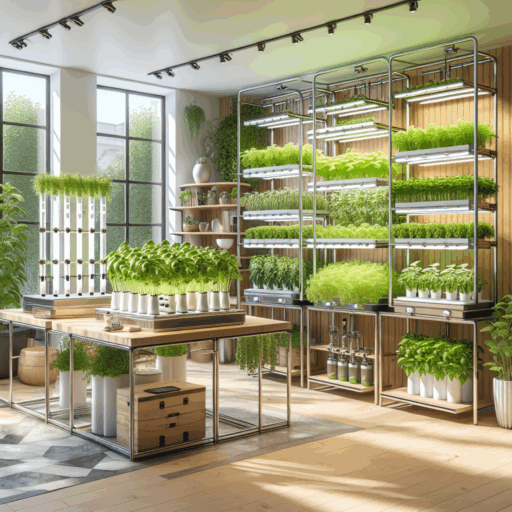
Hydroponic systems for beginners can seem complicated at first, but with the right setup, you can easily grow fresh produce all year round. This guide will help you choose the best hydroponic system for your space, whether it’s a spare room, a small balcony, or a dedicated indoor grow tent.
What Is Hydroponics?
Hydroponics is a soil-less method of growing plants where nutrients are delivered directly to the roots via water. This allows for faster growth, higher yields, and better resource efficiency than traditional soil-based gardening.
Benefits of Starting a Hydroponic Garden
- Grow fresh herbs, vegetables, and fruits all year round
- Use less water than traditional gardening
- Fewer pests and soil-borne diseases
- Maximise small indoor spaces
- Maintain full control over nutrient and light conditions
Choosing the Right Hydroponic System for Beginners
There are various types of hydroponic systems suitable for beginners, depending on your space, budget, and how much time you want to spend maintaining them.
Deep Water Culture (DWC)
Perfect for small spaces and new growers, DWC involves suspending plant roots directly in nutrient-rich water. An air pump provides oxygen to the roots, promoting fast growth. Lettuce, basil, and spinach thrive in DWC systems.
Nutrient Film Technique (NFT)
In NFT systems, a thin film of nutrient solution constantly flows over the plant roots. It’s great for compact indoor setups where plants are grown in channels. This system suits leafy greens best.
Drip Systems
Drip hydroponics delivers nutrient solution to the base of each plant using small emitters. It’s versatile and works well for mixed crops like tomatoes, peppers, and herbs.
Wicking Systems
Ideal for absolute beginners, wicking systems use a simple rope or string to draw nutrient solution to the plant roots. They require no pumps and are low-maintenance, though they’re best for small herbs or indoor ornamentals.
Setup Essentials
- Grow lights: Use full-spectrum LED grow lights to mimic natural sunlight.
- Growing medium: Options include clay pebbles, perlite, or coco coir.
- Nutrient solution: Choose one formulated for hydroponic vegetables.
- Water quality: Use clean, pH-adjusted water (5.5–6.5).
- Space: Ensure adequate ventilation and easy access to electricity.
Tips for Success
- Start with easy plants like lettuce and basil.
- Monitor nutrient levels and pH weekly.
- Ensure adequate light coverage for all plants.
- Clean and sanitise equipment regularly.
Troubleshooting Common Hydroponic Issues
- Algae growth: Keep the system covered and light-proof.
- Root rot: Ensure constant aeration and avoid waterlogging.
- Nutrient deficiency: Adjust your nutrient mix as needed.
- Slow growth: Check light intensity and water temperature (18–24°C is ideal).
Conclusion
Hydroponic systems for beginners offer an exciting and efficient way to grow plants indoors, perfect for those short on outdoor space. With the right setup, you can enjoy healthy, homegrown produce no matter the season.

