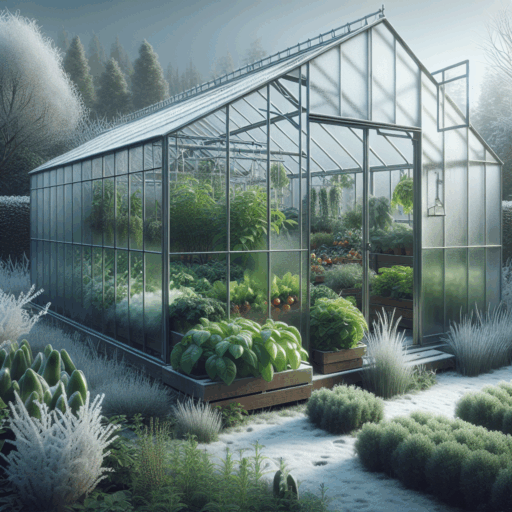
Creating and maintaining a productive greenhouse through the cold British winter takes planning, preparation, and a little bit of ingenuity. A thriving greenhouse in winter keeps fresh greens, herbs, and even tender vegetables on the table when outside beds are frosty and dormant. The key to success lies in insulation, ventilation, lighting, and the right choice of plants.
Preparing Your Greenhouse for Winter
Your first job to keep a greenhouse productive in winter is to tidy and inspect it thoroughly:
- Clean the glass panes to maximise precious winter light.
- Check for drafts and seal gaps with weather stripping or bubble wrap insulation.
- Disinfect benches, pots, and tools to prevent disease build-up.
- Organise space for easy access to plants and heating systems.
Insulation and Temperature Control
Maintaining the right temperature is crucial. Many UK gardeners aim to keep the minimum above 5°C for most edibles. Bubble wrap, thermal screens, or fleece can drastically reduce heat loss. If electricity is available, a thermostatic fan heater ensures stable warmth. Otherwise, heat-retaining methods like thermal mass barrels or compost heat are eco-friendly options.
Tips for Efficient Heating
- Position heaters on the floor for even air circulation.
- Ensure adequate ventilation to avoid fungal issues.
- Use a thermometer with remote sensor to monitor extremes overnight.
Maximising Winter Light
Short days are the biggest limitation on greenhouse productivity. Clean glass, remove shading paint, and prune back large outdoor branches that may block light. Supplemental grow lights designed for horticultural use can extend growing hours for leafy crops like lettuce, chard, and kale.
Best Crops to Grow in a Winter Greenhouse
Some crops thrive in cool, protected conditions without demanding high heat. Ideal winter choices include:
- Salad leaves: lamb’s lettuce, rocket, mustard greens
- Herbs: parsley, coriander, chervil
- Roots in containers: radish, baby carrots, beetroot
- Cold-tolerant greens: spinach, pak choi, mizuna
- Microgreens on windowsills or benching
Remember that growth will be slow in December and January, so succession sow regularly from late summer into autumn to ensure continuous harvests.
Watering and Humidity Management
Even though winter air feels damp, plants under cover can dry out faster than expected. Avoid overwatering, which increases fungal risk. Group similar crops and irrigate only when topsoil feels dry to the touch. In unheated structures, water plants in the morning so foliage dries before nightfall.
Ventilation in Winter
It’s tempting to keep everything sealed tight, but good airflow prevents mould and botrytis. Open vents or doors slightly on mild, dry days. Automatic vent openers with adjustable springs save hassle when temperatures fluctuate.
Extending the Season Further
For those aiming for true all-year harvests, consider adding cloches or cold frames inside the greenhouse for an extra layer of protection. You can also use heat mats under propagation trays to start early seedlings ready for spring planting.
Common Winter Greenhouse Problems
- Condensation: Prevent with gentle airflow or a small circulating fan.
- Pests: Aphids and whiteflies can still appear – introduce beneficial insects or use organic sprays.
- Disease: Remove any dead leaves or plant debris promptly to keep healthy airflow.
Conclusion
With thoughtful preparation and consistent care, a British greenhouse can remain remarkably productive all winter long. Focus on maximising light, managing temperature, and selecting resilient crops suited for cooler conditions. Even in the darkest months, you’ll enjoy the satisfaction of harvesting fresh produce straight from your own frost-free oasis.

