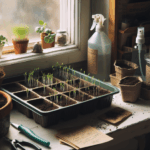
Welcome to a world of adventure where gardening meets creativity! In this article, we explore diverse “Edible Plant Projects for Kids” that transform your garden or allotment into a vibrant classroom. For families in the UK, these projects not only offer a hands-on gardening experience but also help children discover the joy of growing their own snacks. Whether you have a small urban garden or a spacious rural plot, these ideas are designed for budding gardeners of all ages.
Why Edible Plant Projects Are Great for Kids
Edible plant projects provide children with the opportunity to learn about nature, nutrition, and responsibility. Here are some key benefits:
- Hands-on Learning: Engage children with practical lessons about plant biology and the cycle of growth.
- Healthy Eating: Inspire a love for fresh fruits and vegetables that can lead to better food choices.
- Family Bonding: Spend quality time together while nurturing your garden and watching it bloom.
- Environmental Awareness: Teach children the importance of sustainability and caring for the environment.
- Creativity & Experimentation: Foster imaginative thinking by mixing colours, textures, and flavours in the garden.
Planning Your Family Garden
Before you begin, planning is essential for a successful family garden project. Here are some points to consider:
- Location: Choose a spot with plenty of sunlight, ideally with a south-facing exposure.
- Soil Quality: Test your soil and amend it if necessary to ensure good drainage and nutrient content.
- Space & Container Options: If space is limited, consider container gardening or vertical planters.
- Seasonal Planning: Keep a gardening calendar in mind to match plant choices with the right time of year.
[Image suggestion: A well-organised vegetable garden with containers and raised beds]
Delightful Edible Plant Projects for Kids
Below are some exciting projects to kickstart your edible garden with your little ones:
1. Mini Vegetable Patch
Create a mini vegetable patch with kid-friendly vegetables such as cherry tomatoes, snap peas, and lettuce. This project is perfect for small gardens and even balconies.
- Step-by-Step:
- Prepare small raised beds or large pots with a mix of compost and garden soil.
- Let the kids plant seeds or small seedlings.
- Water regularly and watch the vegetables sprout.
- Discuss the growth process and explain how plants produce food.
- Tip: Use labels with pictures so the children can remember which vegetable is growing where.
2. Herb Garden Adventure
Herbs like basil, mint, and chives are perfect for children’s gardens as they are easy to grow and add delightful aromas to home-cooked meals.
- Materials Needed:
- Small pots or a dedicated herb garden bed
- Organic herb seeds or young herb plants
- Label sticks and waterproof markers
- Guidelines:
- Involve your kids in picking the herbs they like.
- Create a small guide on how to care for each herb.
- Use the herbs in family recipes, reinforcing the farm-to-table concept.
3. Berry Picking Bonanza
A berry patch is a delightful project that yields sweet rewards. Choose easy-to-grow varieties like strawberries and raspberries that thrive in the UK climate.
- Preparation:
- Find a sunny patch in your garden.
- Space out the plants to allow air circulation and prevent disease.
- Activity Focus:
- Teach children how to gently pick berries without damaging the plants.
- Use the berries for homemade pies, jams, or fresh snacks.
Step-by-Step Guide to Starting Your Garden Project
Here is a detailed guide to ensure your edible garden project is both fun and educational:
- Plan Your Space: Sketch a layout of your garden, noting sunny spots and available space.
- Gather Supplies: Collect all necessary materials including seeds, tools, and containers.
- Prepare the Soil: Work on the soil by adding compost or well-rotted manure for optimum fertility.
- Planting: Follow seed packet instructions for planting depth and spacing.
- Watering: Establish a regular watering schedule, especially during dry spells.
- Maintenance: Weed, mulch, and check for pests regularly to keep your garden healthy.
- Harvesting & Sharing: Enjoy the fruits of your labour and share the produce with friends and neighbours.
Materials and Tools You Will Need
For a successful family garden project, ensure you have the right tools. Here are some essentials:
- Garden trowel
- Watering can or hose with a gentle spray nozzle
- Gloves for each family member
- Seed packets or young plants
- Compost and soil amendments
- Containers or raised bed materials (if space is limited)
Tips for Engaging Kids in the Garden
Getting children excited about gardening can be a fun challenge. Here are some tips for maximum engagement:
- Keep Tasks Simple: Assign age-appropriate responsibilities such as watering, weeding, or collecting ripe produce.
- Make it Fun: Use colourful garden markers and create themed garden days.
- Create a Garden Journal: Let your kids document the growth progress, weather changes, and lessons learned.
- Reward Creativity: Encourage them to decorate plant pots or craft garden-related art.
- Interactive Learning: Explain the lifecycle of plants, share interesting facts, and even conduct simple experiments like witnessing seed germination at home.
Overcoming Common Garden Challenges
Every garden faces challenges, and your family project is no exception. Here are some common issues and solutions:
Pest Control
While pests can be a nuisance, natural remedies are safe for children and the environment. Consider these steps:
- Use organic insecticidal soap
- Introduce beneficial insects like ladybirds
- Keep a close watch and act quickly at the first signs of an infestation
Weather Extremes
UK weather can be unpredictable. Protect your plants by:
- Using cloches or mini greenhouses during cold snaps
- Mulching to maintain soil moisture during heatwaves
- Positioning your garden in sheltered areas to minimise wind damage
Expanding Your Edible Garden Projects
Once your first project takes root, there are plenty of additional projects to consider:
- Growing Microgreens: Quick to harvest and packed with nutrients, microgreens are ideal for busy families.
- Container Gardening: Perfect for urban spaces, container gardens can be rotated with seasonal produce.
- Sharing with the Community: Consider organising a swap of homegrown produce or a small family farmer’s market. [Inline image: Children exchanging homegrown vegetables]
Real Stories from UK Family Gardens
Many families across the UK have found joy in starting edible plant projects together. Here are a few snippets of their experiences:
“Our little garden has become a central hub for family time. We learned so much about healthy eating as we grew our own snacks!” – The Johnsons
“Watching the kids care about their plants has been incredibly rewarding. Gardening has taught them patience and responsibility.” – The Smiths
Frequently Asked Questions (FAQ)
Q: What is the best time to start edible plant projects in the UK?
A: Spring is ideal, but many projects can begin indoors or in sheltered areas almost year-round.
Q: How much space do I need for a family garden?
A: Even a small patch or container can work wonders. The focus is on quality time and effective planning.
Q: Are these projects suitable for very young children?
A: Yes, with supervision and age-appropriate tasks, even toddlers can enjoy simple activities like watering and label placement.
Conclusion
Edible plant projects offer a multi-faceted experience for families, combining fun, education, and healthy living. By engaging in these projects, not only do children learn about biology and sustainability, but they also gain a sense of achievement and responsibility. The garden becomes a living classroom where every season brings new lessons and excitement. So, roll up your sleeves, invite your little ones to join, and embark on a delightful journey of growing snacks together!
Happy gardening to all UK families! Remember, the joy of watching a seedling grow into a full plant is a reward in itself, and it all begins with one small step in your very own backyard.